Power Inverter For Home

Keep your life connected. Find the best home inverter system to power your essentials during outages. From portable plug-and-play kits to fully installed hybrid solutions.

Home inverter power on in load shedding

Choosing Your Inverter for House Backup

Not all home inverters are the same. Match your needs to the right technology.

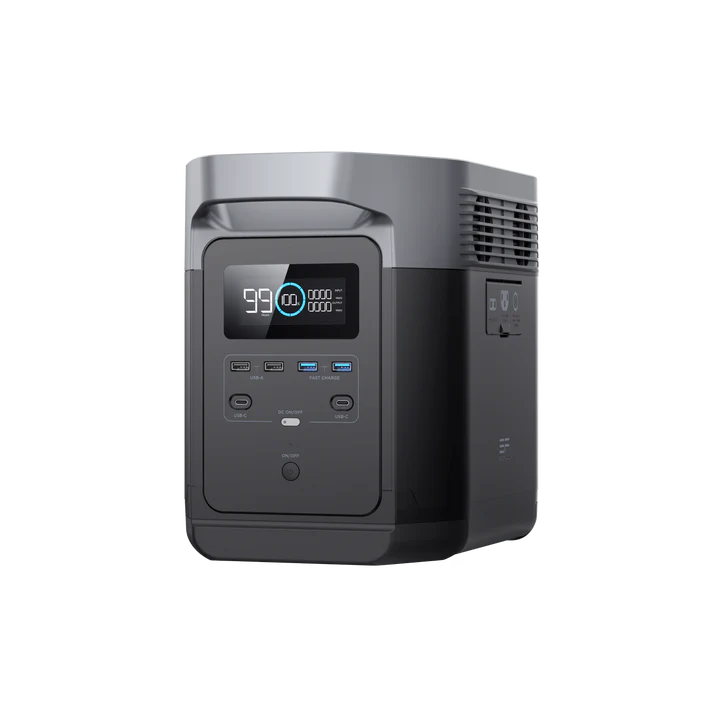
UPS for TV and Wifi

Plug-and-play trolley systems. No electrician needed. Seamlessly runs your inverter for tv and wifi and small electronics.Great for renters and small applications

Portable Home Inverter

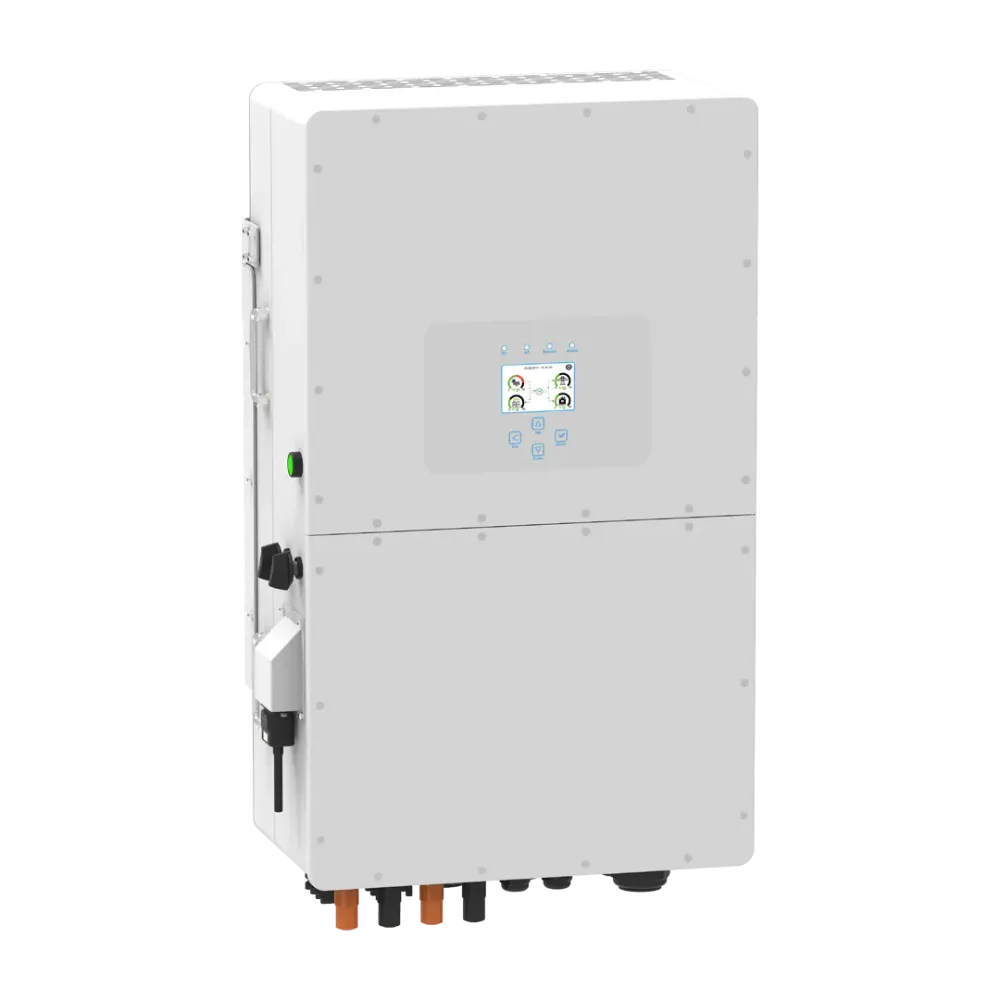
Hybrid Home Inverter

The ultimate domestic inverter. It manages your grid, solar, and batteries. Essential inverter for fridge tv and lights. Ideal for backup and savings even off grid applications

Hybrid Home inverter

2026 Household Inverter Comparison: Sunsynk vs. Deye vs. LuxPower

Compare the leading brands for your **home inverter** setup. 5kW models are the most popular choice for South African families.

FeatureSunsynk 5kWDeye 5kWLuxPower 5kW
Market PositionPremium / SA LeaderBest Value (Same OEM)Reliable / Budget Friendly
WarrantyUp to 10 YearsUp to 10 Years5 – 10 Years
App ExperienceExcellent (Sunsynk Connect)Good (SolarMan/Deye Cloud)Very Good
Local SupportBest (Direct SA Office)Good (Importer-based)Excellent

What can a 5kW Inverter for House run?

A standard 5kW power inverter for house backup comfortably manages “Essential Loads.” This allows you to live normally without the heavy-draw appliances like geysers or stoves.

  • ✅ Fridge & Freezer (Keep food fresh)
  • ✅ LED Lighting (Full home coverage)
  • ✅ TV & Entertainment (Uninterrupted gaming/Netflix)
  • ✅ Wifi & Fibre (Stay online/Work from home)
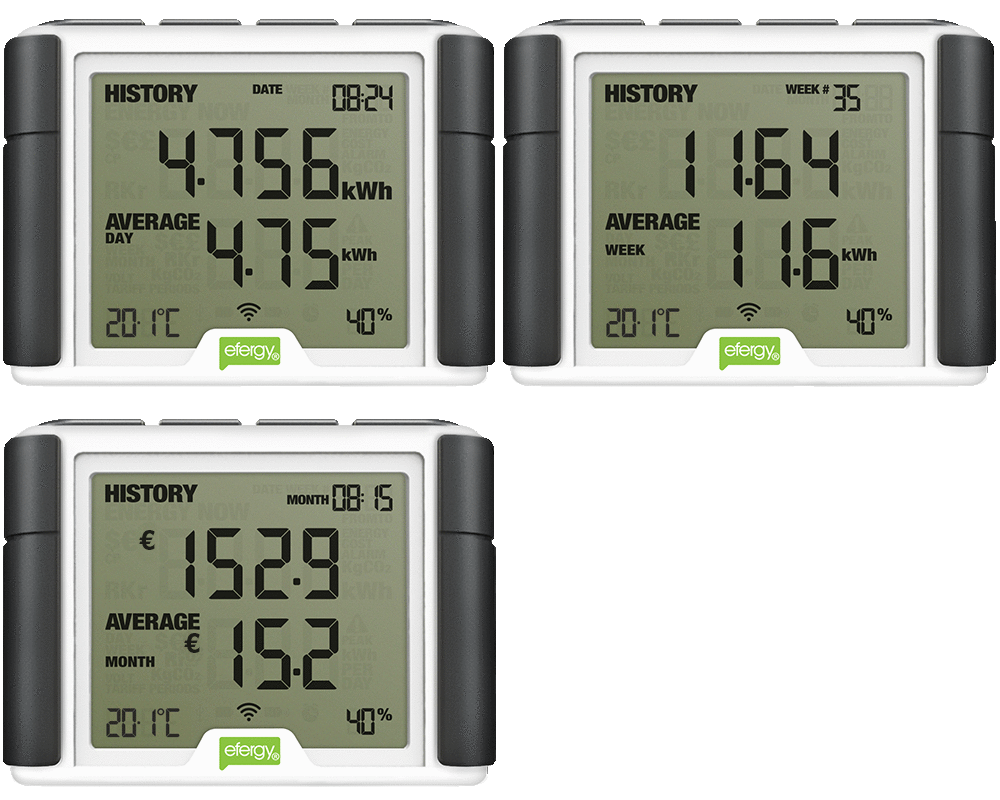
Measure Power for Inverter

We are Here to Guide You

Finding the perfect power setup can be overwhelming, but you don’t have to figure it out alone.
We are here to guide you to find the right solution for your home—whether it is a portable inverter, a home backup solution, or a full home hybrid system.
From budget-friendly portable units to long-term energy savings, we’ll help you choose the system that fits your lifestyle and your pocket perfectly.

Benefits and Drawbacks Portable vs Installed Inverters

Portable Home Inverter

Benefits:
  • Plug-and-Play: No professional installation is required; just plug it into a wall socket.
  • Instant Switchover: Protects sensitive electronics (like PCs) from crashing or losing data when the power cuts.
  • Portability: You can move it from the home office to the living room or even take it on a camping trip.
  • Quiet & Clean: Operates silently with no fumes, making it perfect for apartments.
Drawbacks:
  • Limited Capacity: Usually can’t handle “heavy” appliances like kettles, heaters, or fridges for long.
  • Short Lifespan: Smaller units often use batteries that degrade after 1–3 years of heavy use.
  • Slow Charging: Some budget models take a long time to recharge between outages.

Installed Home Inverter

Best for: Powering lights, fridges, TVs, and achieving long-term energy independence.
Benefits:
  • High Power Output: Can run multiple rooms, including “heavy” loads like fridge-freezers and security systems.
  • Seamless Integration: Can be wired directly into your DB board (distribution board) so your lights stay on automatically.
  • Scalable: Most systems allow you to add more batteries later if you need more backup time.
  • Solar Ready: Most modern inverters (Hybrid) allow you to plug in solar panels to save on your monthly electricity bill.
Drawbacks:
  • High Upfront Cost: Requires a significant investment for the inverter, batteries, and professional installation.
  • Installation Required: Must be installed by a qualified electrician to ensure it’s legal and safe (COC certificate).
  • Fixed Location: Once installed, you cannot move it easily; it stays with the house.

Hybrid Home Inverters Breakdown

A hybrid inverter paired with solar panels is a powerful setup that combines the features of on-grid and off-grid systems. It acts as the “intelligent brain” of your home’s energy, managing power from solar panels, batteries, and the utility grid simultaneously.
Key Financial Benefits
  • Maximised Self-Consumption: Store excess solar energy generated during the day in batteries to use at night or on cloudy days instead of sending it back to the grid for little to no credit.
  • Avoid Peak Tariffs: Program the inverter to use stored battery power during “peak” hours when electricity rates from the grid are highest (e.g., 4 PM – 9 PM).
  • Reduced Grid Dependency: Significant reductions in monthly electricity bills, with some users reporting up to a 70% to 84% decrease in total expenses.
  • Net Metering Credits: In supported areas, excess energy that your battery cannot store can be sold back to the grid for credits or cash.
  • Increased Property Value: Homes with advanced, efficient solar systems are often valued higher by buyers looking for sustainable, cost-effective living.
Efficiency & System Benefits
  • Uninterrupted Backup: Unlike standard grid-tied systems that shut down during blackouts, a hybrid inverter provides a seamless switch to battery power, keeping lights and essential appliances running during load shedding.
  • Smart Energy Management: Most modern hybrid inverters include mobile apps that allow you to monitor production and consumption in real-time, helping you make data-driven decisions to save more.
  • Scalability: These systems are future-ready, allowing you to start with a few panels and a small battery, then add more capacity as your budget or energy needs grow.
  • Lower Equipment Needs: By combining the solar inverter and battery inverter into one unit, you save on hardware costs and wall space compared to buying separate systems.
itsolar
Author: itsolar

Solar Deals